





Composting at home is a fantastic way to reduce waste, enrich your soil, and contribute to a healthier environment. If you’re new to composting, it might seem a bit overwhelming at first, but with a few simple steps, you can get started quickly and easily. This guide will walk you through the basics of composting, from materials to choose to managing your compost pile.
What Is Composting?
Composting is the natural process of recycling organic material like food scraps and yard waste into a rich soil amendment called compost. Compost improves soil health, helps retain moisture, and supports plant growth. It’s environmentally friendly because it reduces landfill waste and decreases the need for chemical fertilizers.
Why Compost at Home?
– Reduce household waste: Composting diverts kitchen and garden waste from landfills.
– Enrich your soil: Homemade compost boosts soil fertility naturally.
– Save money: You’ll spend less on commercial fertilizers and soil conditioners.
– Encourage healthy plants: Compost improves soil texture and promotes beneficial microorganisms.
Getting Started: What You Need
Composting doesn’t require fancy equipment. Here’s what you’ll need to begin:
1. A Compost Bin or Pile
You can choose between:
– Compost bin: These can be purchased or made at home, and they keep your compost neat and contained.
– Compost pile: If you have space, you can simply create a pile in your backyard.
Bins are great for small spaces or urban settings, while piles work well in larger yards.
2. Materials to Compost
Compost materials fall into two categories:
– Greens: Nitrogen-rich materials like fruit and vegetable scraps, coffee grounds, and grass clippings.
– Browns: Carbon-rich materials such as dry leaves, shredded newspaper, cardboard, and straw.
3. Air, Moisture, and Time
– Air: Compost needs oxygen for the microbes to break down material.
– Moisture: The pile should be damp but not soggy, roughly the consistency of a wrung-out sponge.
– Time: Composting takes several weeks to months depending on conditions.
What Can You Compost?
Here are some common compostable items:
– Fruit and vegetable scraps (avoid citrus in large amounts)
– Coffee grounds and filters
– Tea bags (check if compostable)
– Eggshells (crushed)
– Grass clippings and plant trimmings
– Dry leaves and shredded paper
– Small amounts of cardboard or paper towel rolls
What Not to Compost
Avoid these items because they can attract pests, cause odors, or harm your compost:
– Meat, fish, and dairy products
– Oils and greasy foods
– Pet waste from carnivores
– Diseased plants
– Weeds with seeds
Setting Up Your Compost
Step 1: Choose a Location
Pick a spot that is convenient, well-drained, and receives some sunlight. Partial shade can help maintain moisture and prevent the pile from drying out.
Step 2: Start Layering
Begin your pile with a layer of coarse browns like twigs or straw to help airflow. Then add alternating layers of greens and browns, aiming for about a 2:1 ratio of browns to greens.
Step 3: Maintain Your Compost
– Turn the pile every 1-2 weeks to add air and speed up decomposition.
– Monitor moisture levels and add water if it feels dry or add more browns if too wet.
– Chop or shred larger pieces to help them break down faster.
Troubleshooting Common Issues
– Smelly compost: Usually too wet or too many greens; add more browns and turn it.
– Pile not heating up: Too dry or not enough nitrogen; add water and more greens.
– Pests: Avoid meat and oily foods; use a closed bin or cover scraps with browns.
Using Your Finished Compost
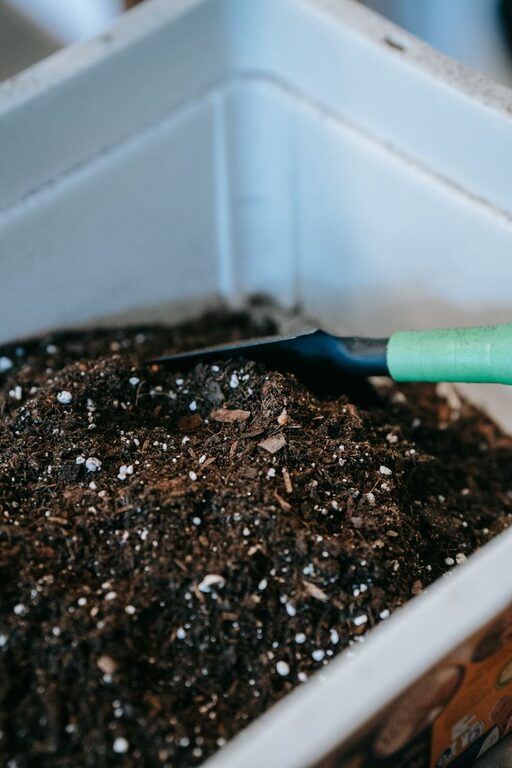
When your compost is dark, crumbly, and earthy-smelling, it’s ready to use. You can:
– Mix it into garden beds to improve soil structure
– Use as a mulch around plants
– Add it to potted plants for extra nutrients
– Create potting soil mixes
Tips for Success
– Be patient—good compost takes time.
– Keep a small kitchen scrap container to collect scraps daily.
– Experiment with different bin styles and recipes to find what works best.
– Consider worm composting (vermicomposting) if space is limited or you want faster results.
Conclusion
Composting at home is an easy and rewarding way to reduce waste and grow healthier plants. By following these beginner tips, you can create nourishing compost that benefits your garden and the environment. Start small, keep learning, and enjoy the process of turning scraps into black gold!